
Citizen science, sometimes called community science or crowd-sourced science, is exactly what it sounds like: scientific research conducted by everyday people. You don’t need a degree or fancy equipment to participate. In fact, many projects are especially well-suited for children, making the most of their natural curiosity and keen observation skills while contributing to real scientific research.
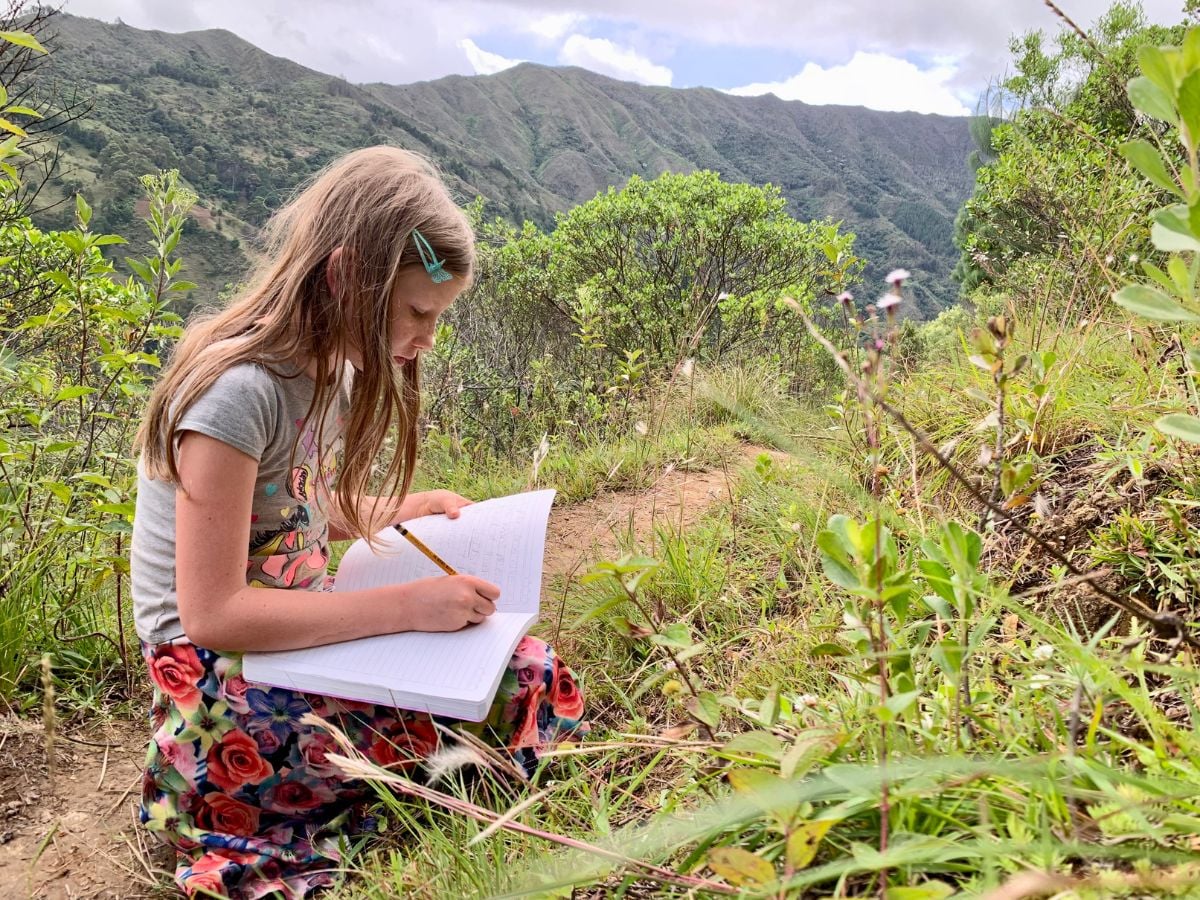
For kids especially, citizen science offers a meaningful way to connect with nature. Kids are already pros at noticing things. If you’ve ever gone for a walk with little ones, you know it’s hard to get very far before they’re pointing out leaves, sticks, rocks, bugs, and other discoveries along the way. Citizen science helps turn those observations into hands-on lessons about the natural world.
This post may contain affiliate links. As an Amazon Associate and member of other affiliate programs, if you purchase something through one of these links and use the discount codes provided, we may earn an affiliate commission at no cost to you.
All products and brands recommended are hand selected by our team, so thank you for supporting us by clicking through!
The Importance of Citizen Science
Citizen science plays an important role in modern research. Here are a few reasons why it matters.
Speeds Up Scientific Discovery
Many research projects require enormous amounts of data that is collected over wide geographic areas and long periods of time. Citizen scientists make this possible. By contributing observations from their own backyards, neighborhoods, and local trails, normal people help researchers gather information at a scale that would otherwise be impossible.
Empowers Individuals to Make a Difference for their Communities
Citizen science gives people a direct way to engage with issues that affect their own communities. Some projects, like those focused on water quality and air pollution, can have a real impact by helping inform policies and local decision-making that directly impact the people living there.
Improves Support for Conservation Efforts
Citizen science can also help to shape the perspectives of those who participate. One study found that people who engage in these projects are more likely to support conservation efforts and develop a deeper appreciation for the natural world.
Benefits of Citizen Science for Kids
While citizen science plays an important role in research, it also offers several benefits for kids. Here are just a few great reasons for kids to get involved.
Promotes Curiosity
Citizen science encourages kids to ask questions, notice patterns, and pay attention to the world around them.
Introduces Scientific Principles and Methods
Collecting data for various citizen science projects is a simple and engaging way to introduce kids to critical thinking and basic scientific principles like observation and data collection.
Gets Kids Outside
Many citizen science projects involve collecting data about plants, animals, insects, and more, giving kids a reason to get outside and interact with the natural world.
Teaches Kids that They Can Help Make a Difference
Participating in citizen science projects shows kids that their curiosity and observations have real value.
Getting Kids Started with Citizen Science
Getting started with citizen science doesn’t have to be complicated. In many cases, you’re simply building on things your kids are already doing. Kids are naturally curious so observing, asking questions, and exploring the world around them comes easily to them.
Here are a few tips to ensure getting your children started with citizen science goes smoothly.
Incorporate Citizen Science into Your Homeschool Curriculum
You definitely don’t have to homeschool to participate in citizen science projects with your kids. But, if you do it can easily be incorporated into your daily lessons and can complement your curriculum without adding a lot of extra work.
Getting involved in citizen science can be as simple as recording observations during a nature walk or measuring rain and snow fall as a part of your science lessons. Tales of a Mountain Mama team member, Amanda Schmidt, and her children participated in the Community Snow Observations program as a part of a Winter Unit Study. Find her full unit study here for more details.
Pick a Project that Interests Them
The best way to keep kids engaged is to follow their interests. If your child loves birds, try a birdwatching project. If they’re always collecting rocks, looking for bugs, or are fascinated by the night sky, there’s likely a project that will allow them to further explore their curiosity. When kids are genuinely interested, participation comes naturally and doesn’t have to be forced.
Encourage Participation
Like anything new, it can take a little time for kids to get comfortable with the guidelines of a citizen science project. Keep things low-pressure and fun, especially in the beginning, and give them a little extra guidance when needed until they get the hang of things.
Help Them Understand the Goal of the Project
Taking a moment to explain why the project matters can make a big difference. When kids understand that their observations are part of something bigger they’re more likely to feel invested and excited to participate.
Talk About How to Collect Quality Data
You don’t need to get overly technical, but it can be helpful to guide kids in making quality observations. Encourage them to slow down, look closely, and be as accurate as they can when recording what they see. This not only helps the project, but also strengthens their attention to detail and observation skills over time.
Types of Citizen Science Projects
One of the best things about citizen science is that there truly is a project for everyone, no matter what you’re passionate about. Here are a few different types to explore.
- Astronomy: Observe the night sky, track stars, or monitor light pollution
- Biodiversity: Track the plants, insects, and wildlife in your area
- Ornithology: Observe and record bird sightings
- Environmental Science: Monitor water quality, weather, or pollution
- Public Health: Participate in studies related to human health and the environment
- Psychology: Contribute to behavior and perception studies
- Herpetology: Document reptiles and amphibians
Citizen Science Projects for Outdoorsy Kids
For kids who love spending time outside, citizen science is a natural extension of the time they spend in nature. Here is a variety of projects that can help incorporate hands-on learning into your child’s time outdoors.
Projects For Nature Lovers
There are many different projects that encourage kids to explore plants, insects, animals and other details of nature. Below are a few different projects that nature loving kids will enjoy.
iNaturalist
Submitting observations on iNaturalist is a simple and enjoyable way for kids to help scientists understand more about where plants and animals occur. The project is simple, users upload photos of species they encounter in the wild. The app then allows other naturalists to help identify the species you’ve observed.
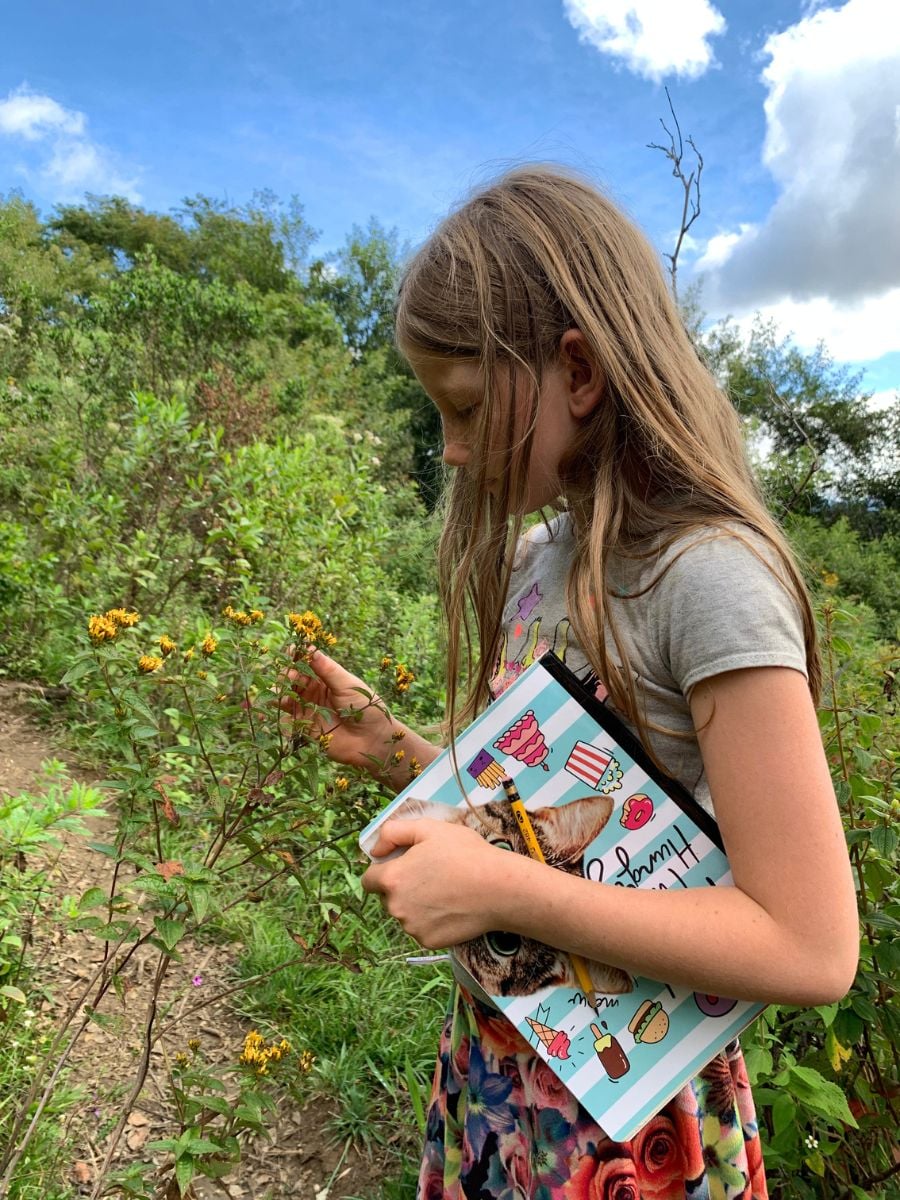
My 8 year old loves taking pictures of unique flowers and insects to upload to iNaturalist. I’ve been impressed at how her ID skills have improved since she started regularly recording observations on the app and it’s fun to see how doing so fosters her love of nature.
Project Squirrel
Participants can record their observations of squirrels in this citizen science project. According to the project website, observing squirrels is useful because they are active during the day and year round (making them easy to observe) and can be an important indicator of health of the local ecosystem.
Butterflies and Moths of North America (BAMONA)
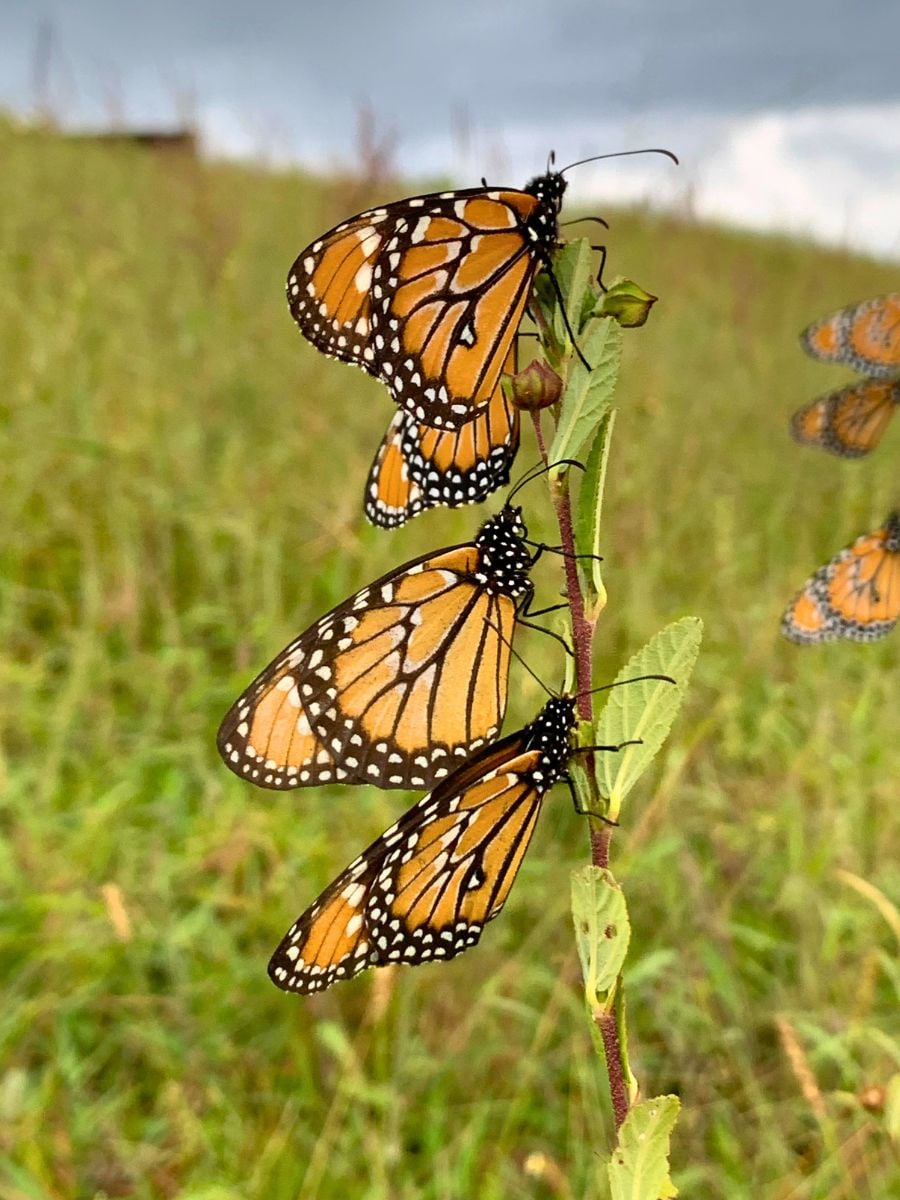
The BAMONA project aims to collect and provide access to data about butterflies and moths in North America, from Panama to Canada. People in North America can get involved by submitting photos of butterflies, moths, caterpillars, eggs, or pupas.
Because of climate change, butterflies and other species appear to be shifting their ranges in and some are emerging earlier in the year, which could reflect larger ecosystem changes. Recording sightings and reporting them to BAMONA gives scientists more data to better understand these patterns and track these changes over time.
Frogwatch USA
FrogWatch USA gives kids an opportunity to learn more about the wetlands in their communities. This project invites volunteers to record and report the breeding calls of frogs and toads, contributing to a nationwide dataset. This data is used to support amphibian conservation efforts and inform environmental protection strategies.
ebird
Bird-focused projects use citizen science widely, as many ornithologists rely on observations from everyday people to collect data. ebird makes it easy to record sightings. Participants contribute to a global database that helps scientists track bird populations, migration patterns, and changes in bird behavior over time.
The app also makes birdwatching more engaging, with tools that help identify species and explore what birds are being seen nearby. Users can manage lists, photos and audio recordings, see real-time maps of species distribution, and more.
The Lost Ladybug Project
The Lost Lady Bug Project allows people across North America to help track and identify ladybug species, with a special focus on rare and declining populations. By searching for ladybugs, taking photos, and submitting their findings, participants contribute to a database that helps scientists better understand changes in ladybug populations.
Projects that Explore the Environment
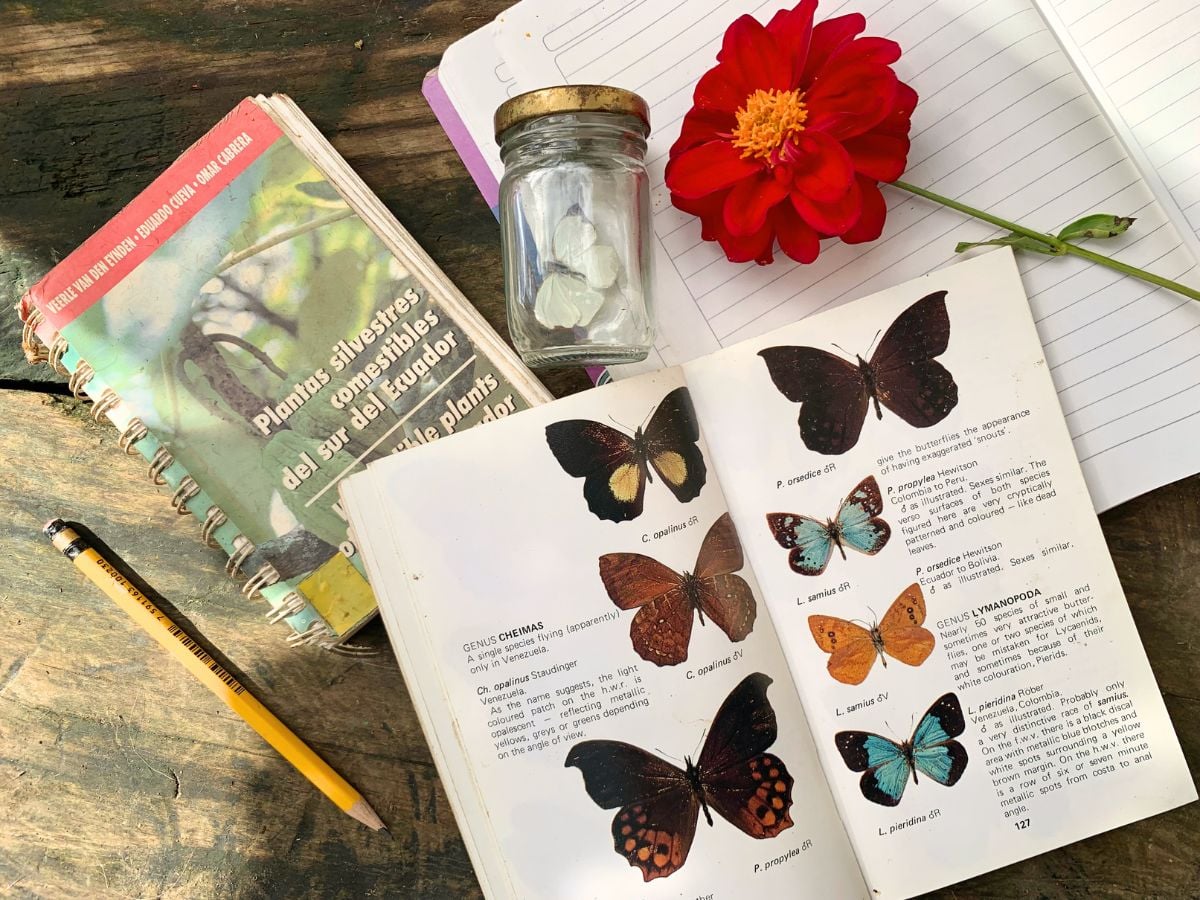
Exploring weather patterns, earthquakes, the health of local waterways, and more teaches children to pay closer attention to the world around them. These citizen science projects help kids learn more about the environment while contributing valuable data that supports scientific research.
Community Collaborative Rain, Hail, & Snow Network (CoCoRaHS)
CoCoRaHS is a citizen science project that invites volunteers to measure and report rain, hail, and snowfall in their own backyards. The data collected by participants helps scientists better understand weather patterns and precipitation over time.
EarthEcho Water Challenge
The EarthEcho Water Challenge encourages children to test the quality of local water sources and share their findings to a global database. Participants collect information about the health of waterways in their communities, helping scientists better understand water quality around the world. Beyond collecting data, the project also encourages young people to take action to help protect local rivers, lakes, streams, and other important water resources.
Did You Feel It? (DYFI)
Did You Feel It? (DYFI) is a project that uses data from people who felt an earthquake to make maps that show what people experienced.
Globe at Night
Globe at Night is an international citizen science project that invites participants to measure and report the brightness of the night sky in their area. The project helps raise awareness about light pollution and how it can impact wildlife, energy use, human health, and our ability to see the stars.
BloomWatch
BloomWatch is a project where participants report sightings of possible harmful algal blooms in lakes and other freshwater areas. These blooms are often caused by cyanobacteria, which can produce toxins that are harmful to people, pets, wildlife, and local ecosystems.
Kids can help by keeping an eye out for unusual green water, floating clumps, or other signs of algal blooms while spending time near lakes and waterways and then submitting their observations through the app.
Pest Patrol
Pest Patrol is a project where participants report sightings of insect pest species that can damage forest and agricultural trees. These observations help scientists improve seasonal forecasts that track when these pests are active and most vulnerable to treatment.
Pollen Trackers
Pollen Trackers is a project where participants observe and report when certain plants begin flowering in their area. This data help scientists better understand pollen levels and improve forecasts for allergy season timing and severity.
According to the project website, “Climate change is projected to impact the timing of the start, length, and severity of pollen season. Better predictions of airborne pollen can inform allergy sufferers when to stay indoors or when pharmacies should stock allergy medicine.”
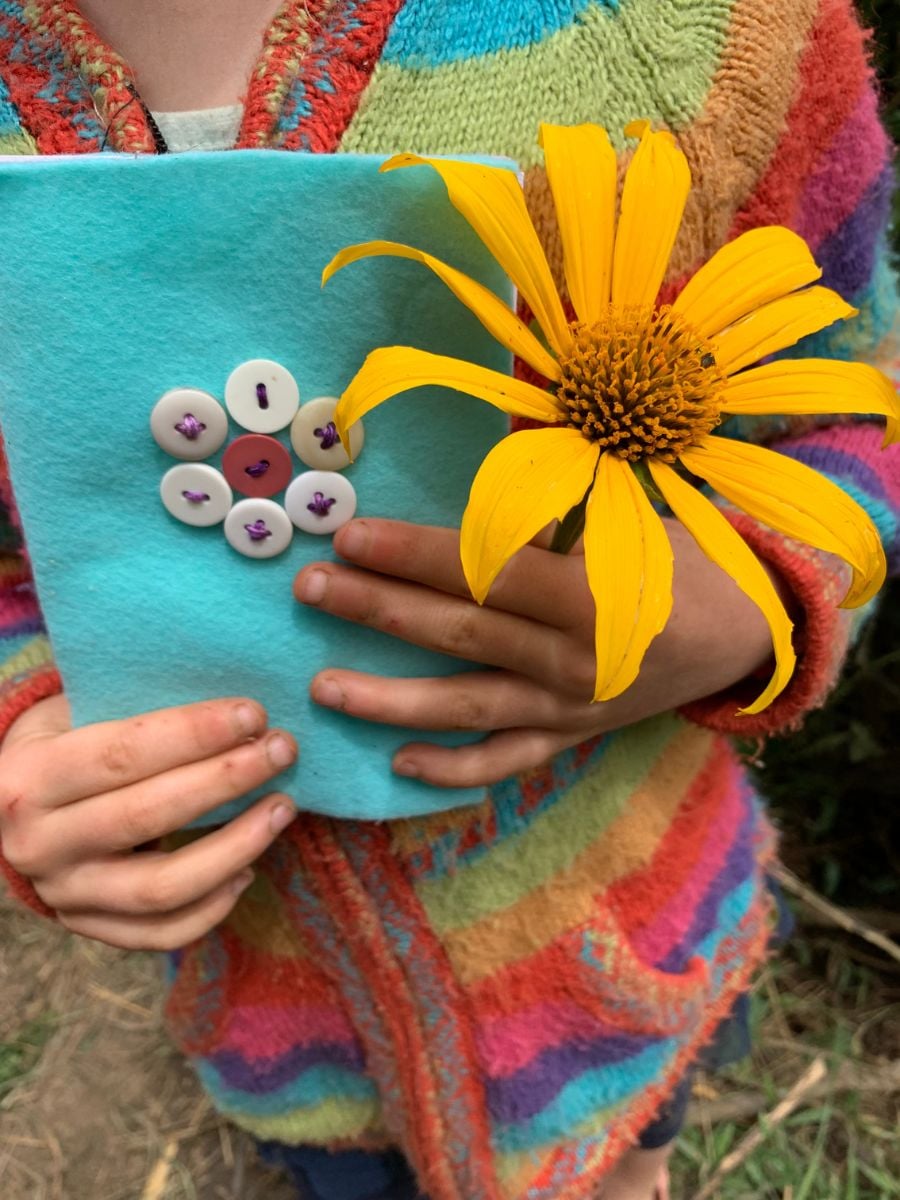
Raising Little Naturalists
Citizen science offers a simple way to foster your child’s connection with the natural world. It encourages little ones to slow down, pay attention, and ask questions about the birds, bugs, plants, and other things they notice in the world around them, sparking curiosity and a love of nature that can last a lifetime.
One of the most meaningful aspects of citizen science is that it helps children recognize the important role they can play in caring for the environment. Their keen eyes and inquisitive minds allow them to make observations that contribute to real scientific research and help scientists better understand climate change and its impact. In a time when many children spend less time outdoors than previous generations, projects like these offer a meaningful reason to get outside and engage more deeply with nature.
Getting started with citizen science is simple. Begin with the topics your children already love to notice and explore. Over time, encouraging their natural curiosity can help build a deeper relationship with the natural world. In encouraging our children to participate in citizen science projects, we just be inspiring the next generation of naturalists, conservationists, and scientists.
Related Articles
Citizen Science for Kids
© 2026, Tales of a Mountain Mama. All rights reserved. Republication, in part or entirety, requires a link back to this original post and permission from the author.