
It is awesome to be a woman! I love the way we can combine strength and beauty in a unique way, and enjoy both being delicate and powerful. Womanhood also brings with it some specific challenges on outdoor adventures, since for most of our teen and adult years, we will need to consider menstrual care when planning for adventures.
For many centuries, and even in relatively recent years, options have been pretty limited for adventuring while on your period. It was much easier to just stay close to home during that week-ish every month. However, there are lots of great ways to comfortably address feminine care on outdoor adventures wether it be while hiking, backpacking, biking, skiing, swimming, or any other adventure you enjoy.
This post may contain affiliate links. As an Amazon Associate and member of other affiliate programs, if you purchase something through one of these links and use the discount codes provided, we may earn an affiliate commission at no cost to you.
All products and brands recommended are hand selected by our team, so thank you for supporting us by clicking through!
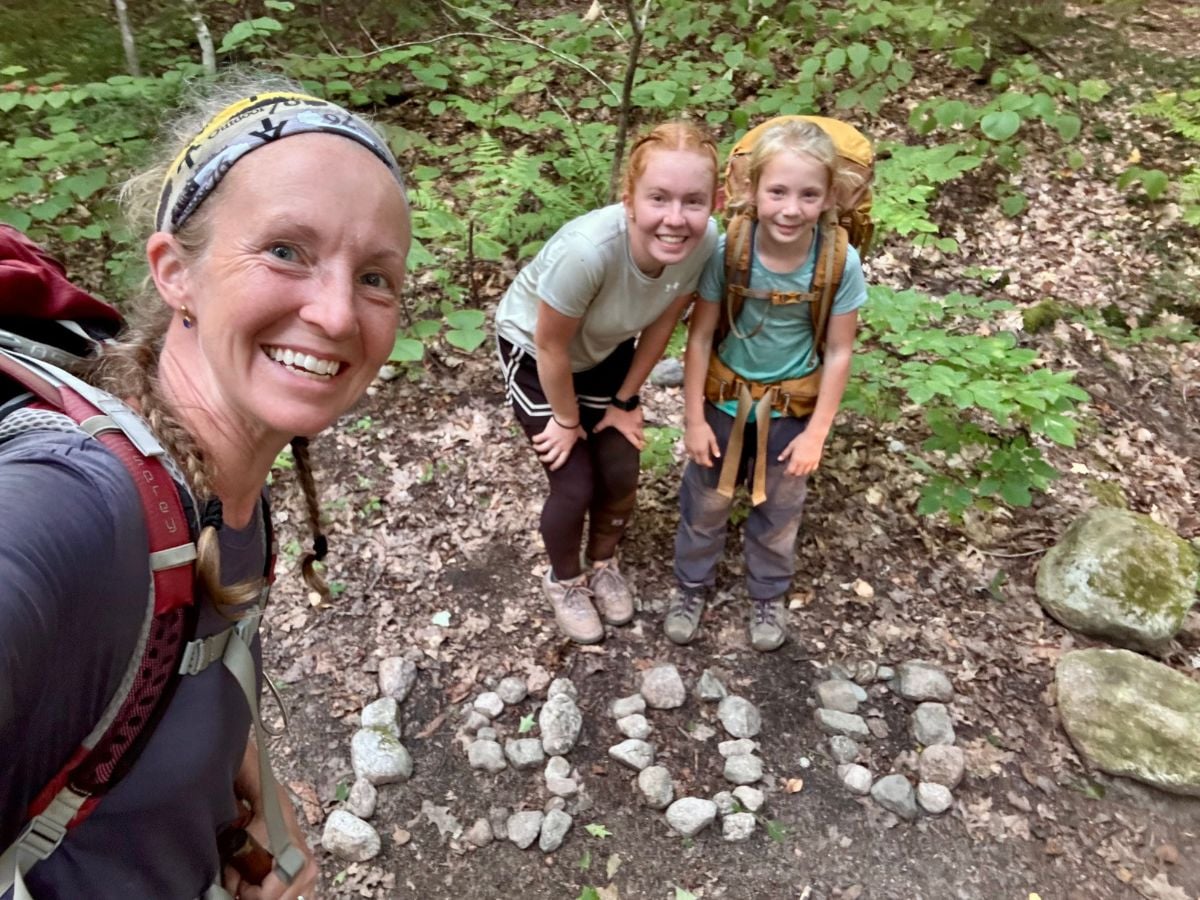
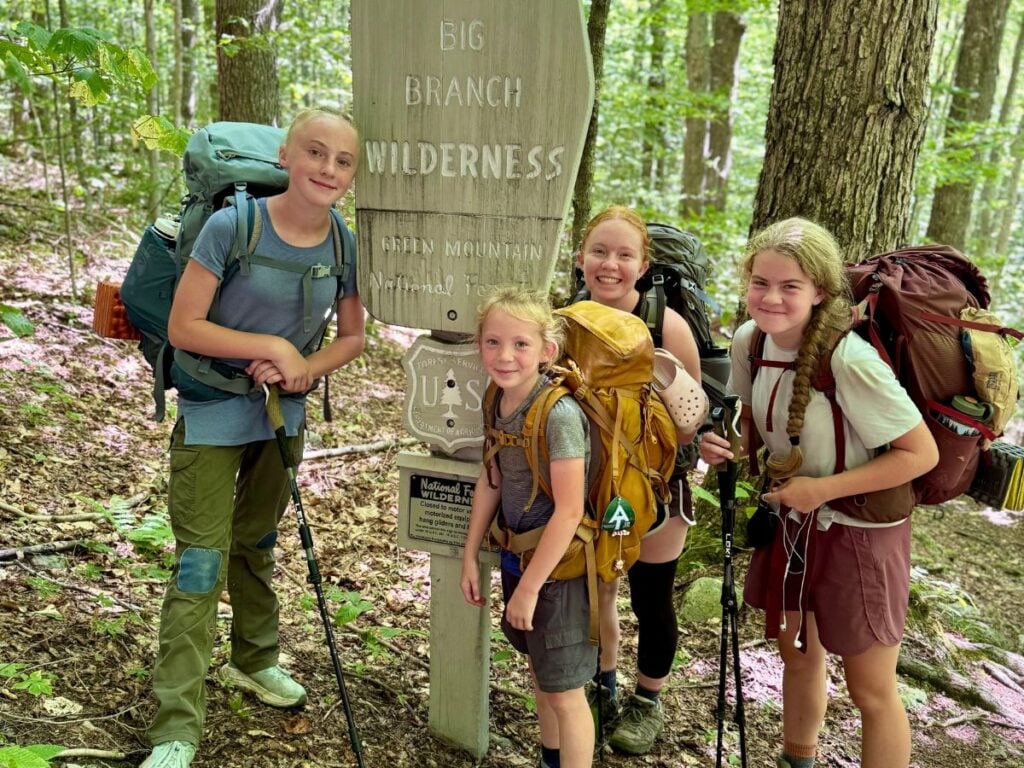
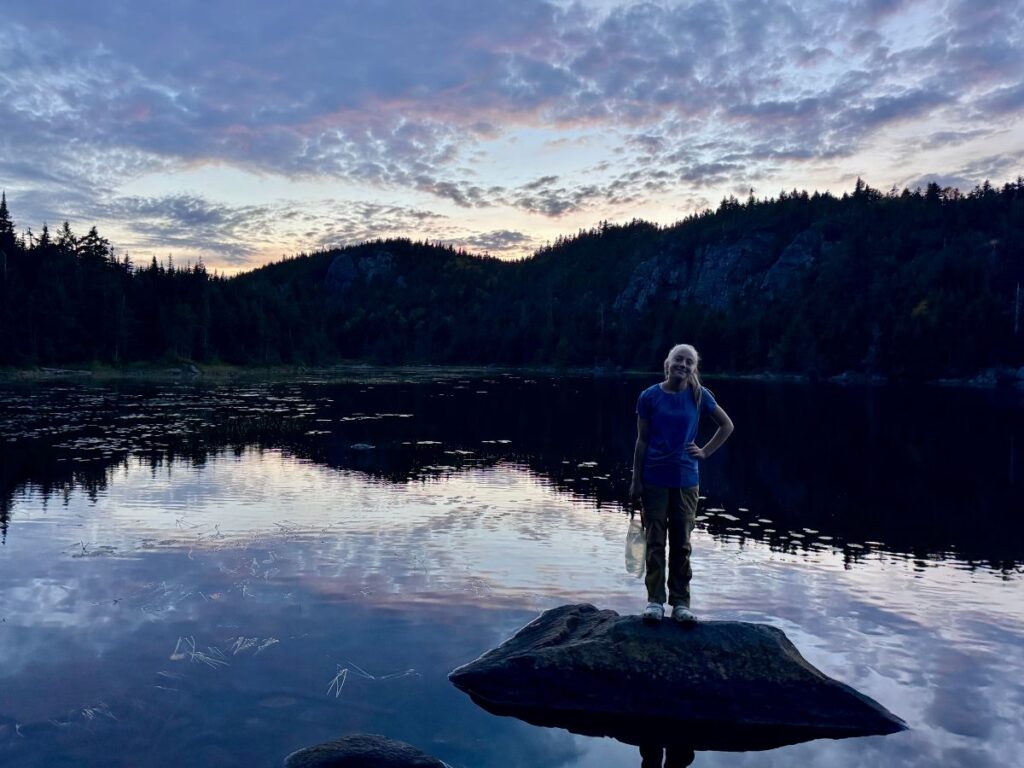
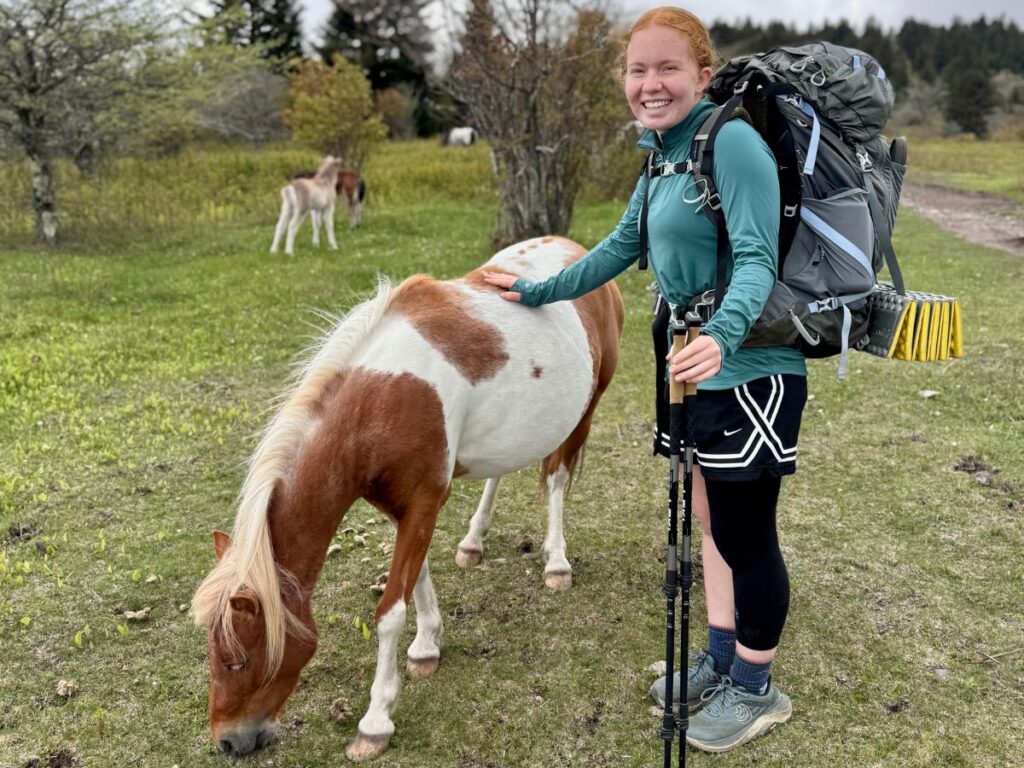
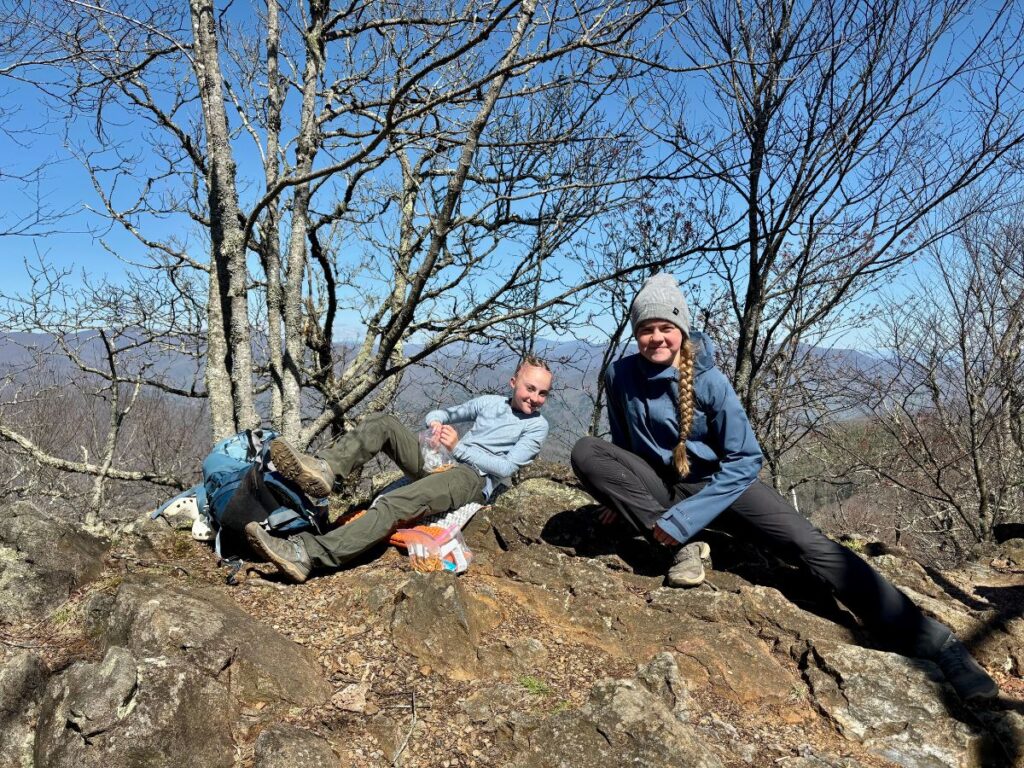
I recently spent six months backpacking the Appalachian Trail with my three teenage daughters (and the rest of our family too), and I was a little nervous about this aspect. One of my teenage daughters had not yet started her period, and I was particularly concerned about how it might go if that time came while we were on the trail. Spoiler alert–it went super smoothly, and I’ll share more below!
Even for women who have been handling feminine care for decades, menstruating while on adventures can be intimidating. It doesn’t have to derail your plans or your experience though; with good preparation, you can enjoy everything you usually enjoy outside.
Pre-Period Communication
If you are a parent (or an adult in a guardian role) of a pre-teen girl, communicating about her period in advance is critical. It’s never too early to start these conversations, but definitely by age ten, you should have a discussion about the process. Remember, it’s not something to fear or hide; in fact, having a period can be a sign of health! As the adult, you will set the tone for how your daughter sees this facet of her life, so keep it encouraging and create a welcoming environment for questions.
Most girls will start their period an average of 6-12 months sooner than their mothers, so don’t put it off. If you feel nervous about discussing it, here are some great resources to open the door!
- The Care and Keeping of You, published by American Girl
This is one that was recommended to me when my oldest was young, and it’s been wonderful. There is a second book as well, although I think this first one covers most of the essential ground about early feminine care. You can read it with your daughter or hand it to her, but if you do the latter, make sure you check back in and seek out questions.
My daughter (age 9) and I have enjoyed both of these books! It takes all changes you might experience is an easy to read, factual book. It has also opened the door for more conversations about what is to come. The first covers a lot of the basics and is probably good for ages 7+. The second one covers some topics with a little more depth and probably best for 10+.
TMM Team Member Jami
- The Birds and the Bees Instagram page
This social media page offers great tips for parents trying to navigate all things related to the reproductive system. These conversations can be awkward, no matter how “natural” everything is. But equipping our daughters to have a long future of outdoor adventures means that we want to do everything we can to give them confidence in this arena. Birds and Bees can help!
They encourage you to start young and build the foundation, “drip by drip”. They have a full course you can purchase to help parents navigate this as well.
- Trusted women in your life
This is an undervalued resource that can be really helpful whether you are a parent, or a teen reading this looking for ideas. It can be so encouraging to discuss these things with a friend or older woman, and they may have suggestions you haven’t considered.
Teens: if your parents aren’t able to help in this part of your life, ask a female relative, teacher, mentor, or other woman you trust for guidance. I don’t know a single woman who would not gladly offer her counsel if asked.
I was totally unprepared for my 11 year old daughter to start her period. She was unfazed, and just announced it to me on the drive home from a scout activity (with her brother in the car). We are working on getting her used to a cup, but so far she likes period underwear the best.
TMM Team Member
Methods of Feminine Care
There are a plethora of options for how to handle your period, and depending on your choice of activity, some are better suited than others. I’ll go through the various options and suggest which methods might work best for which type of adventure!
Pads or Liners
- Usable for hiking, backpacking, biking, winter sports
This is the simplest method of feminine care, which can be great for younger girls who are new to the world of menstruation. They are good for some outdoor adventures, but decidedly not usable for others, like swimming.
Having a thin and lightweight pad is important for adventures! I prefer Always Ultra Thin, and have used them on backpacking and hiking trips. A thicker pad is more likely to chafe, shift, or bunch while hiking, but these are thin while still high absorbency. Make sure you choose an unscented pad!
For younger or smaller females, check out a smaller sized version like the Pinkie Tween/Teen.
Carrying trash out is a necessary aspect of feminine care in the backcountry, so if you are using pads for hiking or backpacking, plan for how you will store used items until you can dispose of them properly. Never drop pads or other feminine products in pit/vault/composting toilets! If you want a discreet storage method, little black ziplock-style bags are great for carrying out used feminine supplies, or you can duct tape over regular bags.
The main downside of pads for outdoor adventures is that you can feel their presence, and they don’t always feel clean. They do not attach well to bike shorts or compression shorts, and can move around. On the bright side, they also tend to soak up some sweat. 😉
No matter what method I’m planning on, I almost always have a couple of pads as a backup option, since they are so light and easy to bring along just about anywhere. Stick a couple in your glove compartment and your adventure go bag, so you are always ready.
Tampons
- Usable for nearly all outdoor adventures, time-limited
Tampons can be a great option for hiking, biking, swimming, winter sports, all of them! Traditionally, they have been the go-to for active women and girls. There are even specifically sport-branded tampons. I was a synchronized swimmer for over a decade and I know the regular kind works fine too.
Trash disposal is also important to consider when choosing tampons. Even the “flushable” cardboard applicators must be packed out (as must the absorbent part) if you are using them in the backcountry, and many commercial locations ask you not to flush any part of a tampon even in regular toilets. The little baggies from above are tiny and can easily be tucked into a backpack or toiletry kit.
There are a few downsides to tampon use in the outdoors, one being trash disposal as mentioned above. They are not reusable, a bummer for the environment, and for safety reasons, must be replaced every 4-8 hours. Some wearers do feel them when in use, and have discomfort while sitting.
Another issue is that hands should be clean for the insertion and removal of a tampon, and depending on your activity, good hygiene may be challenging. Tampons are best used when you have soap and water available, but if not, bringing a small package of baby wipes can work to make sure hands are clean.
I go the tampon route and just pack everything out in a discreet ziplock, as well as bring baby wipes for cleanliness. That’s worked well for me for years, but I am a pretty light bleeder.
TMM Team Member
Period Underwear
- Usable for nearly all outdoor adventures, especially day trips, period swimwear for water sports
I have not used these myself, but my daughters really like them, and they definitely seem to be the emerging go-to for younger women. With good reason! They can be used for just about any type of activity, are reusable after washing in your normal laundry (read washing instructions), and look and feel like regular underwear.
Period underwear can also be a backstop for women who use other methods, but have a really heavy flow for one or more days of their period. This was a really nice boost to peace of mind for my girls on the Appalachian Trail when we were hiking for entire days, regardless of menstruation status, to not have to worry about leaks.
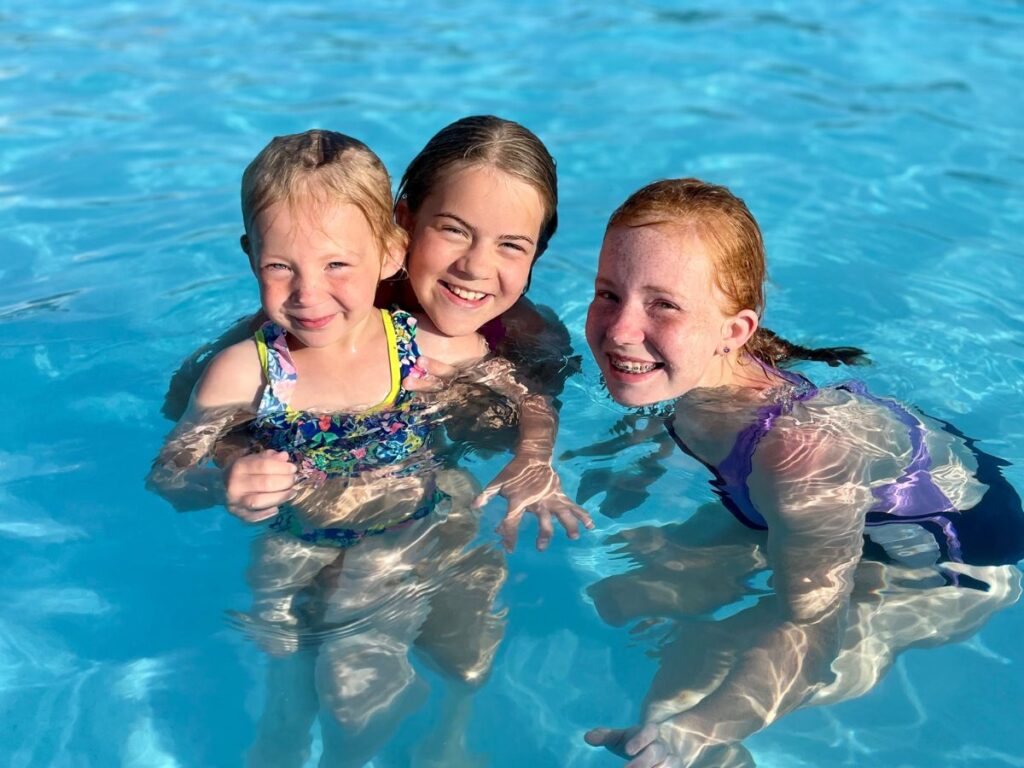
Period swimwear can also potentially replace a swimsuit bottom for water adventures. A good friend of mine (using that trusted women resource mentioned above!) said she skipped tampons completely with her daughters, and opted for dark colored period swimwear bottoms to swap with regular swim bottoms when needed, and they’ve never had an issue. I’ve been to the pool with her girls dozens of times and could not tell a difference at all, which I know would be a concern for my daughters.
Period swimwear could also be a backstop against leaks while using tampons or cups for water adventures, and can be worn even under racing suits as an alternative for girls who participate in water sports. My friend’s daughter used this approach for her swim team practices.
There are a lot of upsides to using period underwear, but of course everything has a downside. I love that they are reusable, but if you are on a multi-day adventure with no laundry options, that is less appealing. If they are your primary method of period protection, they are best for day or short trips, although as a backup method, they are good for longer adventures.
I have used Thinx undies for years. Soccer games, volleyball, general life, they have held up to it all!
TMM Team Member Jami
Menstrual Cup/Disc
- Useable for nearly all outdoor adventures, takes practice
I have not used one of these, so I sought out info from my favorite group of adventure moms–the team here at TMM! Several of them use and love menstrual cups or discs.
First, the cup. It’s been around for longer, and maybe you’ve tried one. They are reusable, something that definitely matters in this world of way-to-many single use disposables. And that also is a perk on outdoor adventures, since you can carry less in and not have to worry about trash disposal.
A disc tends to be a little trickier to use, especially for younger girls and women who haven’t had children. But it’s larger and sturdier than a cup, which can be a real plus for women who are older or who have had multiple children. Both cups and discs are designed to stay put even with lots of activity.
I was an early adopter of a cup (2001), and switched to a disc once I learned about them, and had problems with a cup post childbirth. I love that I don’t need to think about buying products, I just have them around. I now have two identical discs. I keep one in my work bag in case of at work surprises. I also have period underwear for back ups. I was introduced to the cup by the other two female caretakers the summer I was a backcountry campsite caretaker. They pulled me aside during orientation and told me what to mail order. There are so many more options today, it’s great!
TMM Team Member
If you are in the backcountry and a pit/vault/composting toilet is available, you can dump the contents of a cup or disc into the pit and rinse it out with water. A mini bidet-style bottle works well to rinse (or those little spray bottles they give out after delivering a baby–moms, you know what I’m talking about), or you can pour from your regular water bottle. Wiping clean with a baby wipe also works, but you must pack that out as trash.
If a pit toilet is not present, to follow Leave No Trace principles, you must dig a 6″ cathole and bury period blood.
Similar to the cup, you can rinse and reuse a disc. Some women are even able to “bear down” and empty the disc without fully removing it. Cups and discs can stay in place for up to 12 hours without emptying, and if you can empty on the fly, maybe leave in for a couple of days at a time.
Downsides of cups and discs are similar to tampons, and mostly hygiene related. Rinsing hands with water or wiping with wipes is okay in lieu of soap, but soap is ideal. Another possible downside is that if you use an IUD, the suction created by cup/disc removal can pull on the strings of your IUD and pull it out. If you have an IUD and wish to try a cup or disc, check with your doctor for their advice!
If you are planning on using a cup or a disc, keep in mind that not all types fit all women. You may have to do some trial and error to find the right one, and you definitely should practice inserting and removing at home before heading out on an adventure. Sometimes younger girls struggle with them, so trying tampons first (the applicator and strings can be really helpful for practicing insertion and removal) or waiting until they are older and more confident in this area may help.
Most cup/disc websites have helpful videos and troubleshooting faqs too. I know Saalt sells wipes you can use to clean them (although they are probably just overpriced baby wipes).
It took me a few trying a few different brands and sizes before I found one that would stay in place and not leak, but now that I found a disc that works I would never go back to anything else!
TMM Team Member
Freebleeding
- Best for those with lighter periods, NOT for water sports, not ideal for winter sports
This sounds super hippie-ish, and it sort of is, I guess. As the name implies, it’s just bleeding freely, using no period protection. I have an IUD and my period is fairly light most days, so this actually works pretty well for me, especially if I know I’ll have easy access to laundry.
On the Appalachian Trail, if we were just coming off washing all our clothes, I didn’t typically utilize freebleeding as an option, but if we were heading into town for laundry at the end of several days of hiking, I definitely did, and period products were one less thing to have to think about.
It also is a very valid method for biking, especially if you are using a biking chamois, which is already thicker and padded and will soak up excess liquid. You may want to wear a darker color or pattern for discretion, but as I tell my kids often, people are not looking at you as much as you think they are. 😉
I don’t recommend this method if you are participating in water sports. For sanitary reasons, bleeding directly into a shared pool or body of water is not wise or considerate. It’s not the end of the world if you end up in a surprise position where this is what occurs, since pools are chemically treated and blood gets diluted quickly in outdoor bodies of water, especially large or flowing ones, but this is definitely a scenario that you should avoid for the sake of people and animals who may be sharing that space.
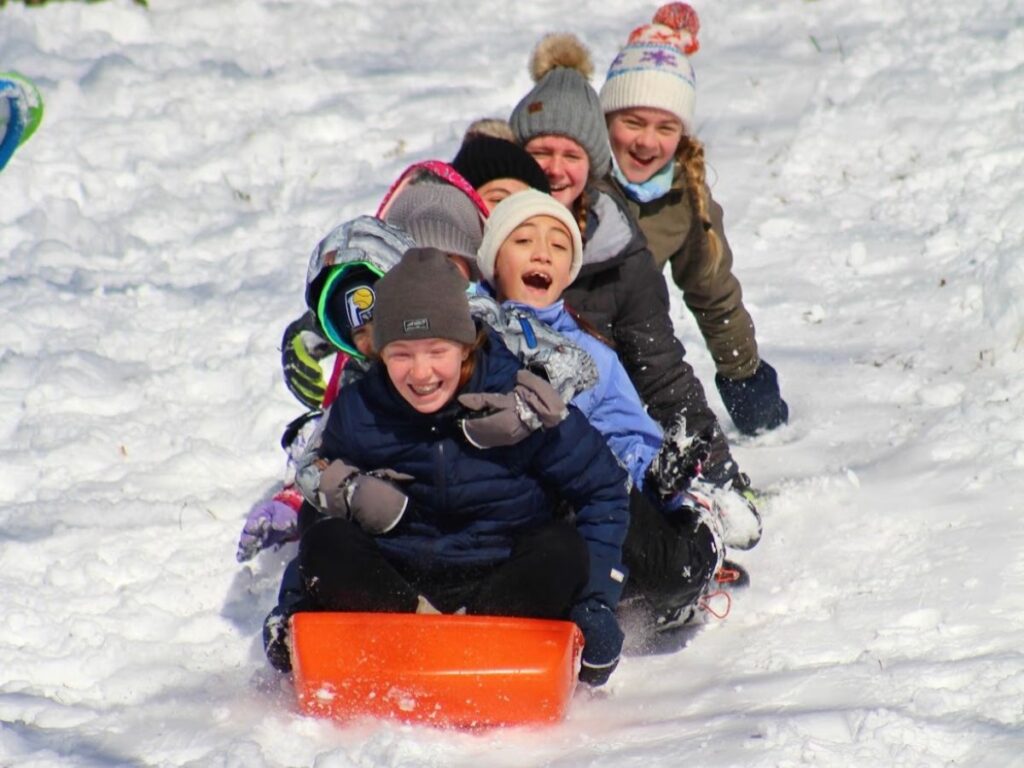
It is also tricky to go this route with winter sports. The moisture could be problematic in cold weather, and winter gear is harder to clean than lighter summer wear. However, this is more personal discretion than a sanitary issue.
Additional Tips
I highly recommend having a backup method of period protection when on an outdoor adventure, especially for teens or women going through perimenopause. Periods tend to be more erratic during times of hormonal change, and sometimes heavier. Having a backup method could be a difference maker between a wonderful outdoor adventure and a miserable one.
If you normally use a cup, disc, or tampon, consider keeping a couple of pads or a pair of period underwear in your adventure backpack. As I suggested above, put some items in your glove box. Even if your daughters don’t regularly swim, consider having them try a tampon a few times at home, so they are prepared if they need to use one and are already away from home.
Remember, if you get caught out on an adventure without supplies you need, you can ask any other woman. If she can’t help you directly, she can help you find someone who has what you need. Moms, model this for your daughters if you have a chance! No need to be embarrassed; nearly every woman deals with this and will be happy to help.
Preparation and Confidence
Preparation and experience both provide confidence. If you are a parent of a young lady, helping her feel prepared will also build trust between the two of you, and help keep doors open for additional future awkward conversations, which, despite the phrase, you actually do want.
Back to the story I teased at the top…my 13 year old daughter did in fact start her period on our Appalachian Trail hike. Before we left, I bought her a pair of period underwear and had previously explained using pads and tampons. A few weeks after we finished the hike, she asked for more supplies to replace the ones at home, and I was surprised–she hadn’t said anything about needing them on the trail.
Her reply, “You already gave me what I needed, so I just used it.”
If that’s not what a parent wants to hear, I don’t know what is! I would have been happy for her to tell me, but I’m just as happy for her to have felt confident and prepared for what to do. Obviously, personalities are different (another of my daughters would never have handled it this way), but every woman can feel more equipped to handle her period in an adventure setting with some advance effort.
A Portable Supply Kit
Prepping your daughter with a little supply kit will help if there are any surprise visits. Small pads, liners, period undies, spare undies and bottoms, and a cute little tote bag for it can make it easy. Adding in a little pack of baby wipes, hand sanitizer, and “garbage” bag can be helpful too.
If you have a young girl who is 10+, a little travel kit can give them some peace of mind at school, away at summer camp, sleep-over at a friends house or where ever they go.
Adventurous Womanhood
Being a woman is an adventure, and period care is part of that. Thankfully, with good preparation, having a period doesn’t have to mean our other adventures go by the wayside. We don’t have to fear that monthly experience; rather, we can celebrate all that our bodies can do!
Related Posts
- Teens Outdoor Tips
- Gifts for Outdoor Teens
- Choosing Health for Outdoorsy Moms
- Self Care Ideas for Moms
Feminine Care on Outdoor Adventures
© 2026, Tales of a Mountain Mama. All rights reserved. Republication, in part or entirety, requires a link back to this original post and permission from the author.